
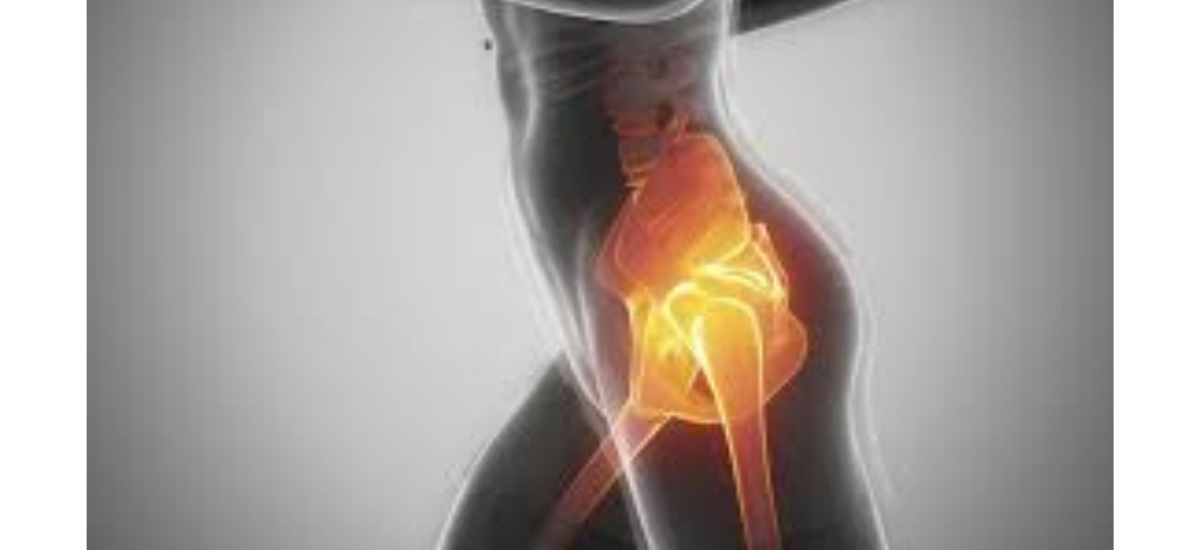
Experiencing hip pain that persists despite rest and physiotherapy may indicate an underlying structural condition, such as a hip labral tear. When the cartilage that cushions or surrounds the hip socket is damaged, it can lead to instability of the joints and impaired movement. If you are noticing signs such as stiffness, reduced range of motion in the hip joint, deep groin pain, or discomfort or pain when walking or sitting for prolonged periods, you should seek evaluation from an orthopaedic specialist Dr. Swapnil Verman. He is a well-known orthopaedic surgeon for providing customised solutions to patients. With years of experience in the field of orthopaedics, he focuses on employing advanced techniques for orthopaedic conditions like hip labral tear surgery in Mathura.
Read this blog to know more about hip labral tears, their symptoms, available treatment options and the expected recovery timeline.
Hip Labral Tear Surgery in Mathura : Verman Hospital
Hip labral tear, also known as acetabular labral tear, refers to the injury of the hip labrum. The hip labrum is a ring of soft cartilage that surrounds the acetabulum (hip socket). This protects the socket and prevents your bones from grinding against each other during movement.
This injury usually does not occur occasionally; rather, it develops after repetitive stress, structural abnormalities, hip joint trauma or any degenerative changes over time. Hip labral tears can affect anyone, but athletes or people who are involved in activities that require frequent hip rotation, sudden twisting movements, jumping or high-impact sports activities are at high risk of hip labral tears.

Hip Labral Tear Symptoms You Should Watch For
Hip pain is one of the most common signs of a hip labral tear. Other than this, people with the tear also experience stiffness, feeling unstable when standing or moving, reduced range of motion, pain while sitting for prolonged periods, and a clicking, locking, or catching sensation in the hip joint. The symptoms may vary depending on the location of the tear, the extent of the cartilage damage, and the individual’s activity level. If you are noticing any of the signs, do consult our healthcare provider Dr. Swpanil Verman, for hip labral tear surgery in Mathura.
What Happens During the Procedure?
If you are having a mild hip labral tear, it can be managed with rest, activity modifications, over-the-counter medications, physical therapy and injections. However, surgical techniques are required if the tear becomes severe and cannot be controlled with conservative treatments.
Hip arthroscopy is one of the most common surgical procedures used for hip labral tear surgery in Mathura. It is a minimally invasive technique that enables the surgeon to diagnose and treat joint conditions without open surgery.
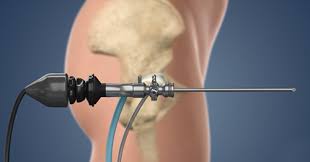
During the hip arthroscopy, the procedure is carried out under general or local anaesthesia depending on one’s health condition. After this, your doctor makes two to three small incisions near your hip joint to insert the arthroscope, along with other surgical instruments, to repair the torn labrum and other associated damage. If there is any presence of structural abnormalities, such as bone impingement, the excess bone may be reshaped to restore the normal functioning of the joint.
This minimally invasive approach allows for faster recovery, less postoperative pain, minimal blood loss, and reduced risk of complications as compared to traditional surgery.
Also Read : Hip Bursitis Treatment in Mathura
Restore Mobility With Hip Labral Tear Surgery in Mathura at Verman Hospital
Hip labral tears can lead to painful hip stiffness, catching sensations, reduced mobility and discomfort while walking, standing and performing other daily activities. If you are struggling with hip labral tear surgery in Mathura, contact Dr. Swapnil Verman, the best orthopaedic surgeon, to relieve pain, restore joint stability and help patients return to normal activities.

