
If your periods have been irregular, heavier than usual, or if you have been experiencing bleeding between cycles, your body may be trying to tell you something. One possible cause that often goes undiagnosed and ignored is endometrial polyps. These are small growths that occur on the lining of the uterus and can affect women of any age. If you are experiencing any of those signs and are looking for endometrial polyps treatment in Mathura , reach out to Dr. Disha Verman in Mathura.
This blog explains to you about endometrial polyps, their signs, diagnosis, and management options.
Endometrial Polyps Treatment in Mathura: Dr. Disha Verman
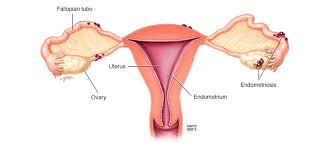
Endometrial polyps are also known as uterine polyps, which are benign tissue growths in the inner lining of the uterus(endometrium). These growths are mostly non-cancerous and vary in shape and size. The number of uterine polyps can range from one to multiple growths in the uterine cavity, ranging from a small seed-like formation to large masses that can fill the uterine cavity. Endometrial polyps is common in people who are going through menopause, are obese, suffer from hypertension, and have a history of polyps.
If you are having endometrial polyps, reach out to experts like Dr. Nisha for the right guidance and treatment options that help you achieve an accurate diagnosis, effective management, and improved reproductive health outcomes.
Signs of Endometrial Polyps
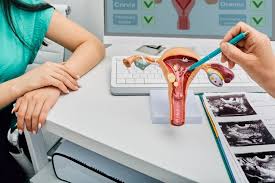
The signs and symptoms of endometrial polyps can vary depending on the individual’s health condition. Consult your doctor if you are experiencing any of the following:
- Vaginal bleeding after menopause
- Bleeding between periods
- Moderate to severe pain in the lower belly
- Abnormal vaginal bleeding or discharge
- Fever
- Nausea or vomiting
How to Diagnose Endometrial Polyps?
The diagnosis of endometrial polyps can be done through several methods, and your doctor will recommend the most appropriate one based on your symptoms, age, and medical history.
- Transvaginal ultrasound
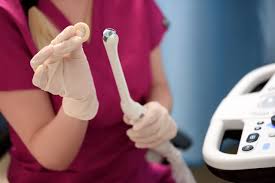
It is one of the most commonly used methods to diagnose endometrial polyps. This non-invasive procedure is done to identify any abnormal thickening or growths within the uterine cavity.
- Hysteroscopy
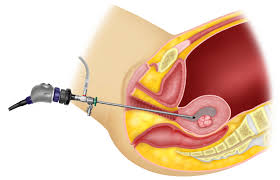
It is a minimally invasive procedure in which a thin, lighted instrument is inserted into the vagina to view the inside of the uterus and identify any polyps with greater accuracy.
- Endometrial biopsy
In this, a small sample is taken from the lining of the uterus and sent it to the laboratory for examination.
Endometrial Polyps Treatment Options
There are several treatment options for managing endometrial polyps, and the following are some of them:
- Watchful waiting
Some polyps, which are small in size, often resolve on their own. Therefore, doctors may recommend a watchful waiting approach when there are no significant symptoms. In such cases, follow-up examinations and ultrasounds are recommended to ensure that polyps do not grow in size.
- Medications
Medications are often considered the primary treatment option for endometrial polyps. Under this treatment option, doctors recommend medications such as progestins and gonadotropin-releasing hormone agonists, which lessen the symptoms associated with the polyps.
- Surgical procedures
Surgical procedures like hysteroscopy, which are used at the time of diagnosis, can also be used to treat endometrial polyps. During this procedure, doctors visualise the uterine cavity and remove at the same time.

Your Step Towards Better Health Starts With Dr. Disha
Are you diagnosed with endometrial polyps and are looking for an appropriate treatment option? Contact Dr. Disha Verman, the best gynaecologist in Mathura. To those who are looking for endometrial polyps treatment in Mathura, timely medical care and the right treatment approach can help manage symptoms effectively and support better uterine and reproductive health.