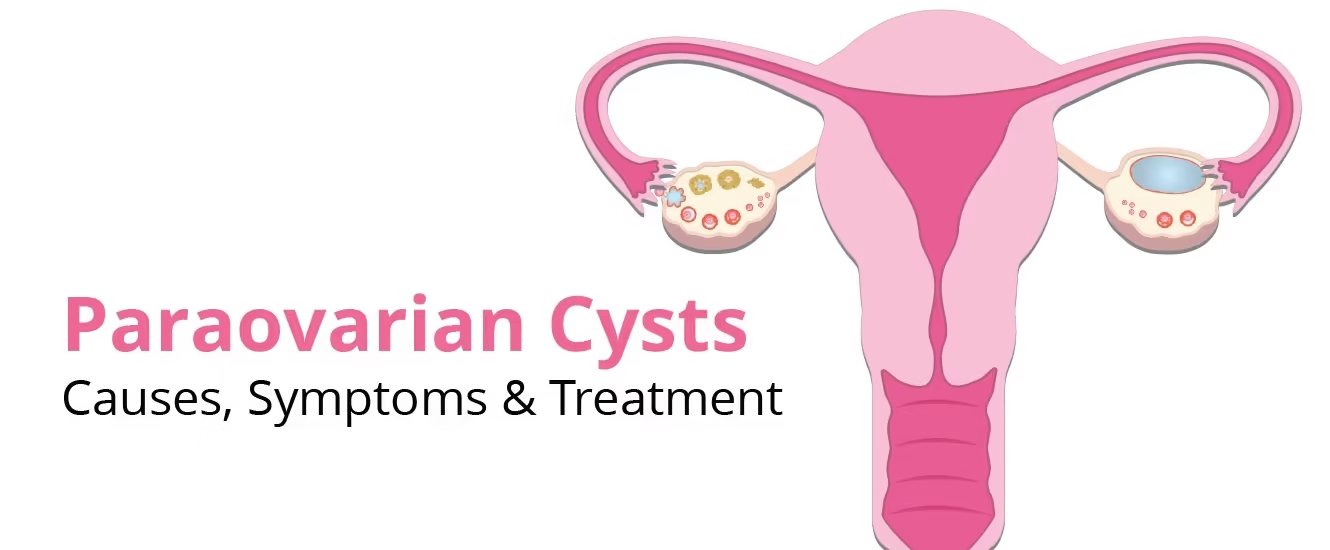
Does your recent ultrasound report show a paraovarian cyst? Do not panic; with the right treatment approach, you can get long-term relief from the condition. These cysts are usually benign and non-cancerous, but when they grow, they may cause serious complications and damage nearby organs. Therefore, early identification and timely treatment are essential for the prevention and management of the condition known as a paraovarian cyst. If you are looking for paraovarian cyst treatment in Mathura, do consult our gynaecologist expert, Dr. Disha Verman, in Mathura.
Do read this blog to know more about paraovarian cysts, their symptoms, causes, and treatment approaches to manage them effectively.
Paraovarian Cyst Treatment In Mathura:Dr. Disha Verman
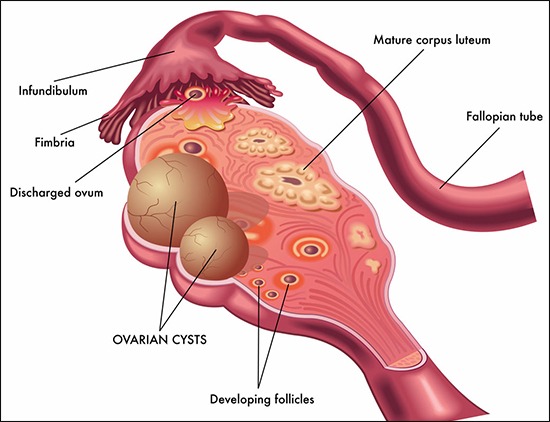
A paraovarian cyst is a gynaecological condition in which a fluid-filled sac occurs near the ovaries and fallopian tubes. This is a harmless condition and does not cause symptoms until an ultrasound report discovers it. A paraovarian cyst is also known as a paratubal cyst or hydatid cyst and usually goes away on its own, but in some cases, when it becomes large, it can become cancerous and affect the nearby organs. Early detection and follow-up are important to determine the cyst’s size, characteristics, and whether any treatment is required. If you are considering Paraovarian cyst treatment in Mathura, consider consulting our expert Dr.Disha Verman. She is a qualified gynaecologist in Mathura for diagnosis and treatment of conditions related to women’s health.
Symptoms Of Paraovarian Cyst
Most people wth paraovarian cysts do not experience any symptoms until it leads to other issues. Here are some of the signs and symptoms of paraovarian cysts :
– Abdominal pain that comes and goes
– Abdominal pressure
– A feeling of fullness or heaviness in the abdomen
– Constipation
– Frequent urination
– Sudden sharp pain similar to torsion
If you or someone you know is experiencing any of the symptoms, do reach out to your healthcare provider for effective management.

Diagnosis Of Paraovarian Cyst
A paraovarian cyst may come to light during a routine pelvic examination or incidentally during imaging tests performed for other reasons. If your doctor suspects you might have a paraovarian cyst, they might perform the following examinations to understand the size, location and severity of the condition.
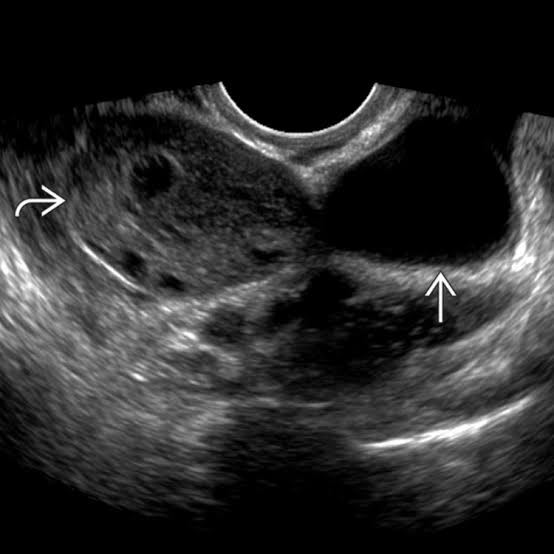
Ultrasound
An ultrasound is done to evaluate the suspected paraovarian cyst. It can help identify the size, location and appearance of the cyst and determine whether it is located separately from the ovary. A transvaginal ultrasound can also be used if your doctor notices symptoms related to the cyst to have a clear view of the ovaries, fallopian tubes, and surrounding pelvic structures.
MRI
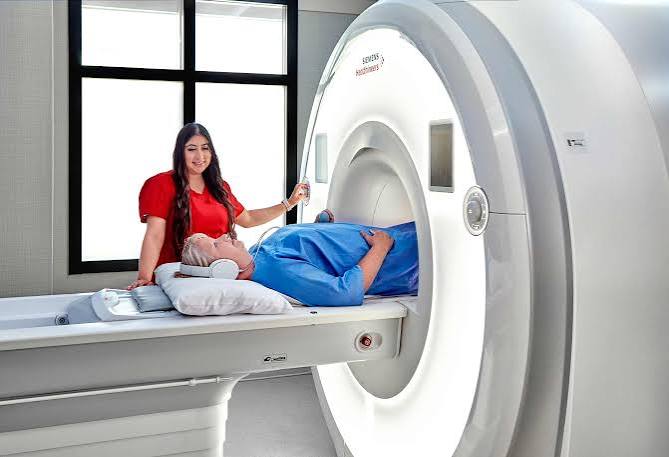
Magnetic Resonance Imaging is done when the doctor wants to have a clear and more detailed view of the internal organs to check whether the paraovarian cysts may become cancerous.
Also Read : Antenatal Care In Mathura By Dr. Disha Verman
Treatment Options For Paraovarian Cyst
There is a wide range of treatment options for paraovarian cysts, and doctors suggest the right treatment approach based on your specific condition and the cyst’s location, size and nature, and whether it turns cancerous or not.
– Observation
Doctors advise close monitoring for small cysts that do not require immediate treatment. Repeat ultrasounds are done to monitor the cyst’s size and appearance and check if there are any changes over time.
– Medication
Medications are a primary treatment option for paraovarian cysts. These medications are used to manage pain and other symptoms associated with the condition.
– Surgery
Surgery is usually recommended when the cyst is large, causing chronic pain, and there is a risk of torsion.
Surgical procedures, including laparoscopic cystectomy and laparotomy, are generally used for removing the cysts through the abdomen. A laparoscopic procedure is a minimally invasive approach to remove the cysts through small incisions, and laparotomy is an invasive open surgery in which a large incision is made to remove the cysts.
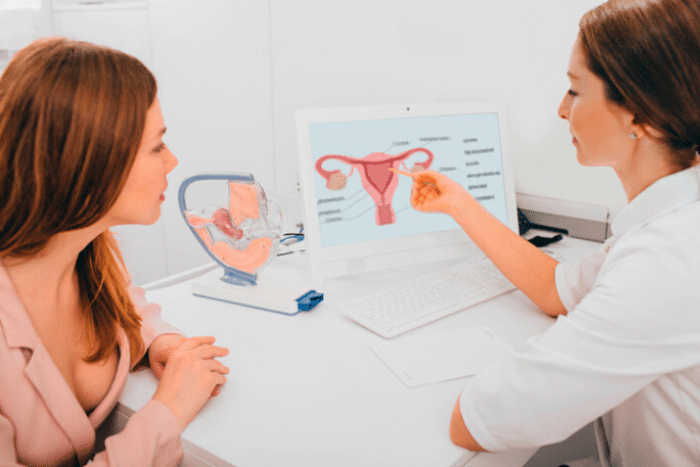
Get Paraovarian Cyst Treatment In Matura
Paraovarian cysts are usually benign or non-cancerous, but some cysts may develop and turn cancerous, which can cause complications such as torsion. If you have been diagnosed with paraovarian cysts, do consult Dr. Disha Verman. She is a renowned gynaecologist in Mathura who provides personalised treatment for various conditions, including paraovarian cyst treatment in Mathura.