
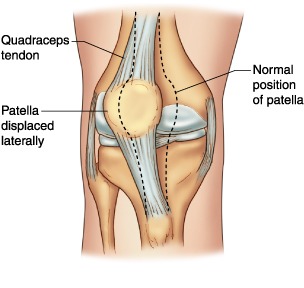
Are you experiencing repeated kneecap displacements, a feeling that your knee is giving way, a popping sensation or difficulty bending your knee? These signs indicate you might have developed patellar instability. It is most particularly in children and adolescents and, if not treated, can increase your risk of developing knee arthritis, patellar dislocation, and ACL tears. Consider consulting Dr Swapnil Verman if you are looking for patellar instability treatment in Mathura.
Patellar Instability Treatment in Mathura: Verman Hospital
Patellar instability, also known as patellofemoral instability or unstable kneecap, is a condition in which the kneecap does not remain centred in the groove of the thighbone and leads to pain and inability to move or bend the knee while perfroming everyday activities.
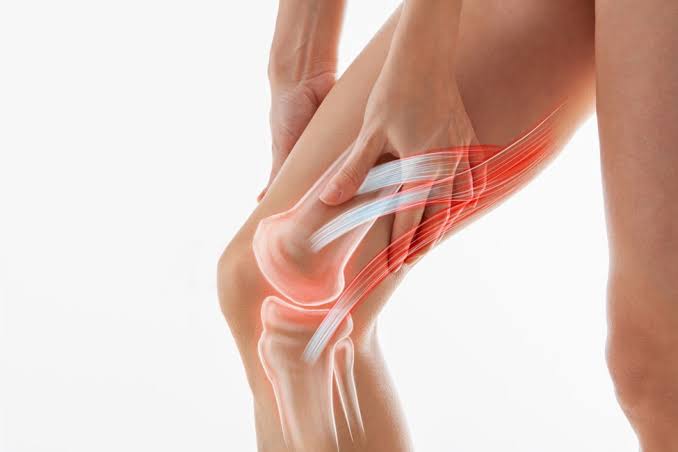
In this orthopaedic condition, the kneecap (patella) moves out of its normal position partially (subluxation) or completely (dislocation)
Your kneecap moves up and down in a V-shaped groove when you bend or straighten your knee. With patellar instability, it may come towards the outer side of the knee, causing pain, inflammation or a sensation that the knee is giving way.
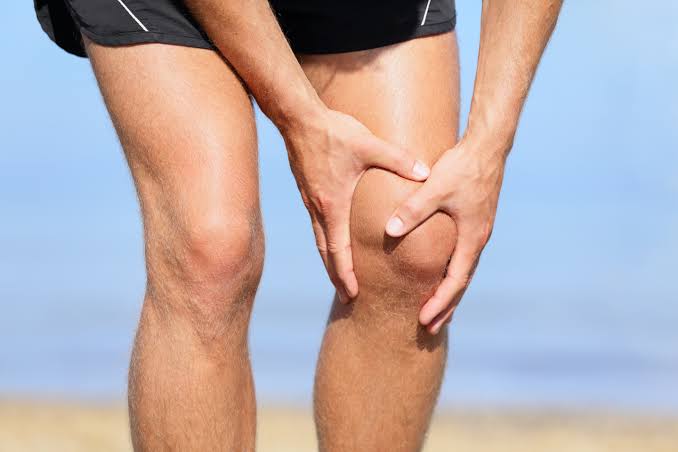
Signs & Symptoms Of Patellar Instability
The symptoms may vary among individuals depending upon the severity of the condition. Here are some common symptoms associated with the condition:
– A sudden crack or pop sound while bending the knee
– Knee pain
– Stiffness and swelling in the knee
– Pain while performing activities
– Felling of knee giving wat
– Difficulty bearing weight
– Persistent anterior knee pain or weakness
If you or someone you know develops these symptoms, you can consult Dr. Swapnil Verman for the right diagnosis and customised treatment plans designed according to your needs.
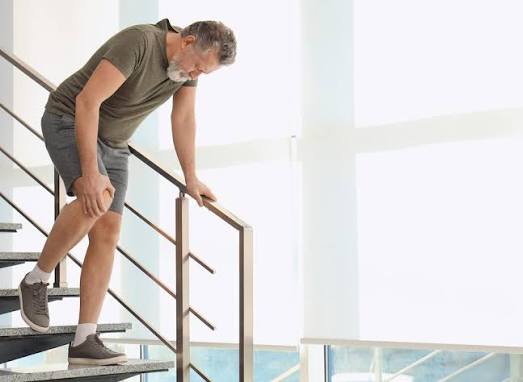
What Causes It?
There are several anatomical and functional factors which can lead to the development of patellar instability.
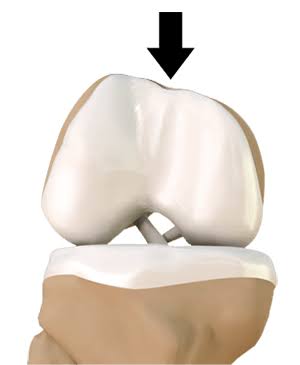
– Trochlear dysplasia
A congenital or developmental abnormality in which the trochlear groove of the femur becomes shallow, flat or abnormally shaped can lead to pattelar instability.
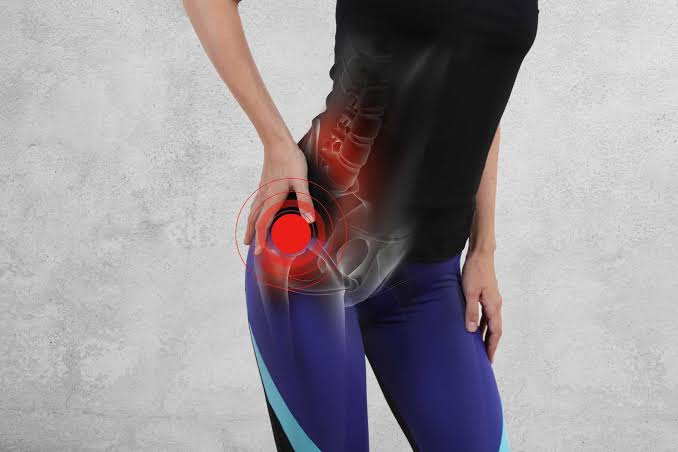
– Hip muscle weakness
Weakness in the hip muscles, particularly the gluteus medius and the hip external rotators, may contribute to the development of patellar instability.
– Previous dislocations or trauma
Any previous knee dislocations of the knee can also increase the risk of another episode.
– Acute injury
A sudden twist, change in direction, or awkward landing can lead to the first dislocation.
Patellar Instability Treatment In Mathura At Verman Hospital
There are a variety of treatment options for patellar instability depending upon the first slip or a recurrent one, the severity of the condition and the causes. At Verman Hospital, our expert Dr. Swapnil Verman offers non-surgical and surgical patellar instability treatment in Mathura.
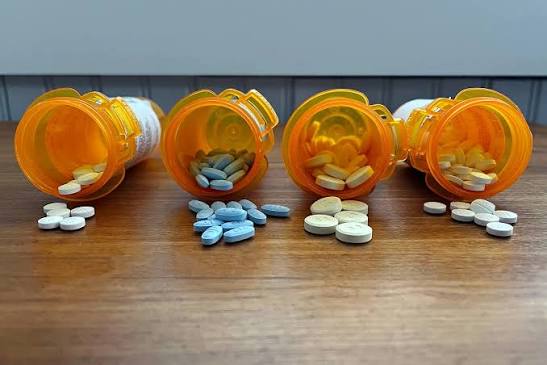
– Medications
This is the primary treatment option for patellar instability, which includes anti-inflammatory medications to manage pain and swelling associated with the condition.
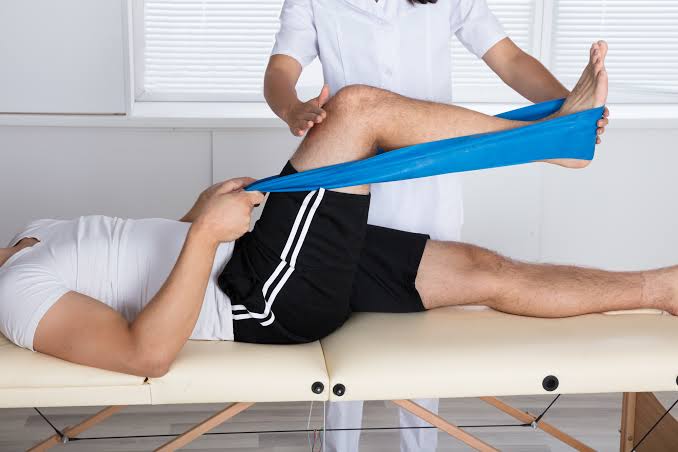
– Physical therapy
Verman Hospital offers Mathura’s FIRST Custom-Made Rehab Programmes, designed to effectively treat a wide range of orthopaedic problems, including backache, shoulder pain, knee pain, foot and ankle pain, tennis elbow, and sports injuries. Our programme has a range of benefits, including custom-made home exercise charts, no daily physiotherapist consultation needed, a prehab programme for surgeries, tailored exercises to suit your needs, expert guidance for faster recovery, flexible scheduling for your convenience, and targeted therapies for enhancing strength and function.
– Surgical treatment
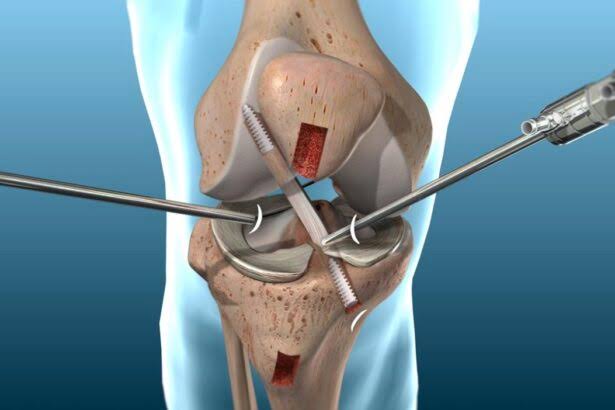
When conditions aren’t managed with medications or other non-surgical treatment options, your doctor may consider surgical options. It includes surgical options like medial patellofemoral ligament repair, MPFL reconstruction, and knee osteotomy to hold your kneecap in place.
Find the Right Patellar Instability Treatment in Mathura At Verman Hospital
If you are diagnosed with patellar instability, you can come to Verman Hospital for a personalised treatment plan including physical therapy, strengthening exercises, activity modifications, and surgical intervention when necessary to restore the normal functioning of the knee and to reduce the risk of recurrent dislocations. Dr. Swapnil Verman is a renowned orthopaedic surgeon providing personalised treatment options for several muscoskeletal conditions.

