

Becoming mothers to twins can be an overwhelming experience for many women, bringing double the joy, excitement, and anticipation of welcoming two little ones. While a twin pregnancy is a unique journey, it also requires continuous medical assistance. Unlike a single pregnancy, twin pregnancies, especially monochorionic twins, where babies share one placenta, are essential to be carried under close and specialised monitoring. If you are expecting monochorionic twins and are looking for a specialised healthcare professional to have a healthy and safe pregnancy and childbirth experience, consult Dr. Disha Verman for the best antenatal care in Mathura. She is a renowned gynaecologist for managing high-risk pregnancies and other gynaecological conditions.
Read this blog to know more about monochorionic twins and why antenatal care is essential in twin pregnancies.
Antenatal Care In Mathura: Dr. Disha Verman
The joy doubles, the celebration doubles, and so does the excitement of welcoming two lives into the world. But, in case of monochorionic twins, where two babies share one placenta, this pregnancy needs closer attention and specialised antenatal care for the healthy development of both the babies.
Monochorionic twins are also known as identical or monozygotic twins who are developed in a single placenta. Monozygotic twins refer to when a single egg splits and develops into two embryos, and the division further decides whether the twins will be monochorionic-diamniotic, which do not share amniotic sacs, or monochorionic-monoamniotic, which refers to the same amniotic sac.

In a singleton pregnancy, where a baby receives every essential nutrient from the placenta, a sac acts like a nutrient exchange between mother and the baby. In monochorionic twins, a single placenta is responsible for delivering nutrients to both babies.
Antenatal care in Mathura is the care that a mother-to-be receives until childbirth. This includes regular check-ups, birth planning, tests and ultrasounds for both mother and the fetus, dietary advice, and supplements.
Since both babies share the same placenta, the distribution of blood flow and nutrients requires close monitoring from healthcare experts, which is why you have frequent prenatal visits with your healthcare provider when you are pregnant with monochorionic twins.
Also Read : Preeclampsia Management In Mathura At Verman Hospital
Why Do Monochorionic Twins Need Extra Monitoring?
When more than one baby is developed in one amniotic sac, it carries some risks for both the mother and the baby. Here are some of the risks mentioned which can occur in a monochorionic twin pregnancy.
- Unequal placental sharing
Not all monochorionic twins experience unequal fluid levels or differences in the size of twins; however, in some cases, two fetuses share the same placenta and may not receive an equal share, which may affect the growth and well-being of one twin more than the other. With regular and close monitoring through ultrasounds and Doppler assessments, doctors evaluate the growth of both babies, the fluid levels of the amniotic sac, and blood flow to perform the necessary further treatment when needed.
- Selective intrauterine growth restriction (S-IUGR) in one fetus
Being pregnant with monochorionic twins also increased the risk of selective intrauterine growth restriction sIUGR, in which one fetus grows more slowly than the other. This occurs due to unequal placental sharing, where one baby receives a smaller portion, meaning a reduced supply of oxygen and nutrients than the other. To detect any changes at an early stage, you have to undergo ultrasound and Doppler monitoring.
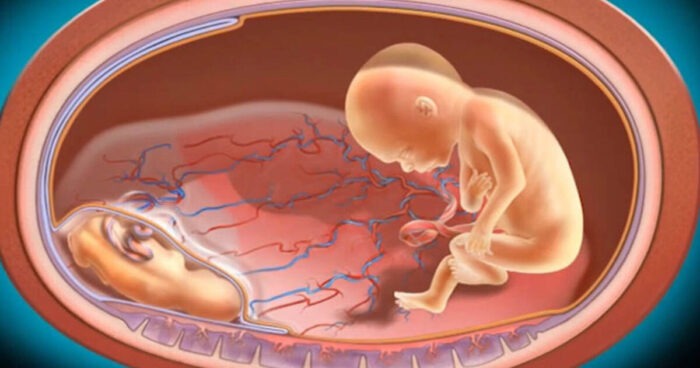
- Twin-to-Twin Transfusion Syndrome (TTTS)
It is one of the major concerns in monochorionic pregnancies, which refers to an uneven blood supply or flow between the identical twins. This imbalance leads to one twin getting an excess of nutrients while the other twin is deprived of essential nutrients.
Why Extra Monitoring Is Crucial In Monochorionic Twins

Every pregnancy needs medical care and guidance; however, monochorionic pregnancies require extra care and guidance starting from conception for the proper monitoring of health and development of both the fetus and to provide treatment whenever essential. Continuous monitoring with ultrasounds and Doppler monitoring is done to ensure that the mother and the babies are developing according to the standard values and to ensure the safest possible outcome for the mother and her twins. Consult Dr. Disha Verman for antenatal care in Mathura at Verman Hospital.

